What Homeowners Insurance Coverage Do I Need During Absence?
Keep your standard policy active, but check its vacancy clause, most limit coverage once a house sits empty 30 to 60 days.
Free to compare
The vacancy clause
Your declarations page or policy booklet will say how many consecutive days the house can sit empty before coverage changes. Thirty days is common. Past that point, things like theft or water damage may be excluded or cut back even though you're still paying premiums.
What vacant actually means
Insurers distinguish between a house with no one living in it and a house with no furniture or activity at all. A place still holding your furniture while you travel is usually just unoccupied, not vacant, and that difference affects which limits apply.
Closing a vacancy gap
If you'll be gone longer than your policy allows, ask whether a vacancy endorsement can be added before you leave. This extends or restores coverage for an empty house, but it's a separate add-on your current policy may not include automatically.
Who needs to know
If a lender holds the mortgage, check whether the loan or escrow agreement requires the house to stay occupied or insured a certain way during absences. Lenders sometimes have their own notice requirements separate from what the insurance policy itself says.
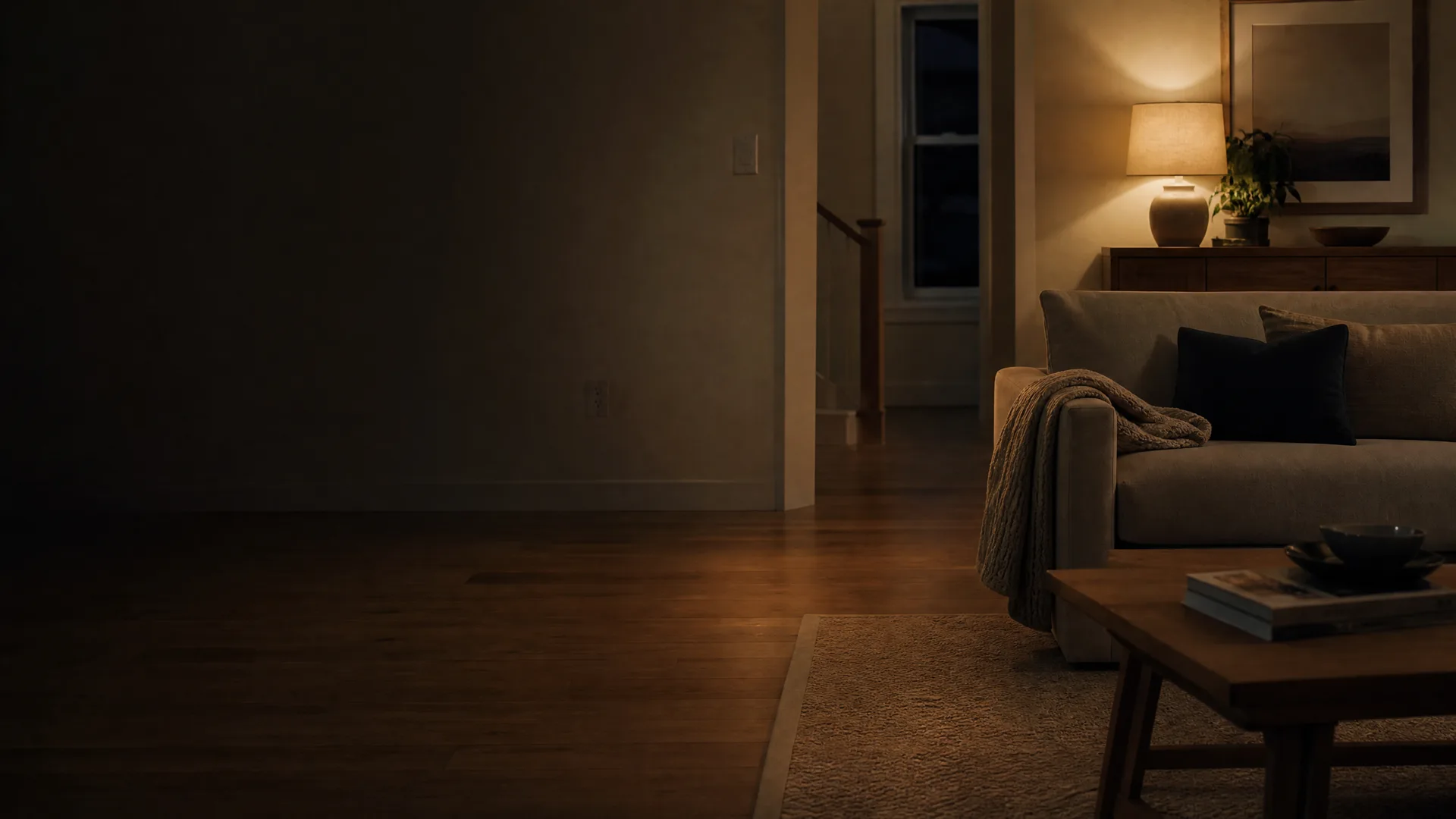
Since you're insuring a house you haven't closed on yet, this is worth sorting out before you sign anything, not after. Policies vary widely in how many vacancy days they allow and whether a vacancy endorsement is even available, so comparing options now means picking one that matches how you'll actually use the house instead of discovering a gap later.
What to tell the insurer before you leave
If you already know you'll be away for stretches once you close, mention that when you're getting quotes rather than after a policy is already in place. The person helping you set up coverage can tell you which policies include a vacancy endorsement option and which don't. That's easier to compare before you've picked one than to fix afterward.
Some absences are predictable, like a long work assignment or splitting time between two homes. Others aren't, like needing to move out for repairs or being called away suddenly. A policy that handles the first kind well doesn't automatically handle the second, so it helps to think through how the house will actually be used, not just how it's used most of the time.
A vacancy endorsement is not the same as an unoccupied home policy. An endorsement extends your existing coverage with some adjustments. A true unoccupied or vacant home policy is a separate type of policy altogether, usually needed when a house will sit empty for months, like an inherited home or one being renovated before move-in. If your absence is temporary, the endorsement is probably the right fit. If the house will be empty indefinitely, ask specifically about vacant home coverage instead.
It also helps to ask what the insurer expects while the house is empty, not just what's covered if something goes wrong. Some policies require the water to be shut off. Others ask that someone check the property on a set schedule as a condition of keeping coverage active. These requirements show up in the fine print rather than in the quote itself, so it's worth asking directly rather than assuming the policy works the same way empty as it does occupied.
What the insurer expects while you're away
Coverage for an empty house often comes with conditions attached, not just a different set of limits. A policy might stay fully active only if the heat is kept running through winter, or if the water supply is shut off at the main. These aren't suggestions. If a pipe bursts while the house sits empty and the insurer finds the water was never shut off as required, that alone can be grounds to deny the claim. That's separate from whatever the vacancy clause already limits.
Some policies also expect someone to physically check on the house at intervals, often weekly, while it's unoccupied. This might need to be documented, through a neighbor, a property manager, or a service built for this. It's not something most people think to ask about when they're comparing premiums side by side. It matters more than the price difference between two quotes if one policy requires it and the other doesn't.
None of this is usually spelled out upfront. It sits in the conditions section of the policy, the part most people skip past to get to the coverage limits. Before choosing a policy, it's worth asking directly what happens to coverage if the house is left empty for an extended stretch. Ask not just whether it's allowed, but what's required to keep it in force. The answer can differ a lot between insurers even when the vacancy day limits look the same on paper.
Getting these terms in writing before closing matters most for anyone buying a house they won't move into right away, or one they'll split time in from the start. That way there's no surprise later about what the policy actually requires versus what it permits. A policy allowing 60 days of vacancy but quietly requiring weekly inspections isn't necessarily better than one allowing 30 days with no conditions attached. It depends on which one matches how the house will actually sit empty.
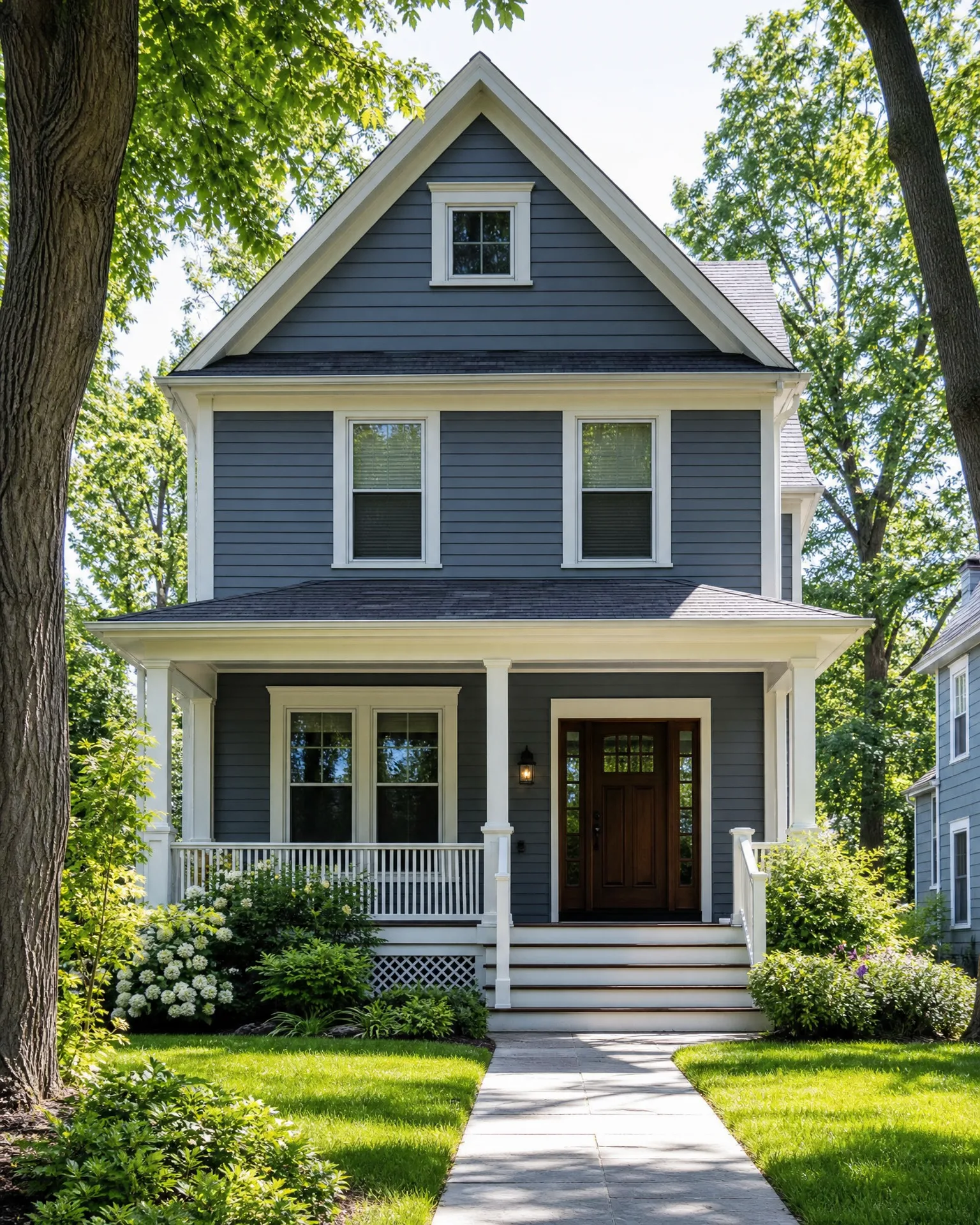

Before you sign
Find the vacancy clause on the policy you're considering and ask what it requires while the house sits empty, not just how many days it allows. Get that answer in writing before closing.